
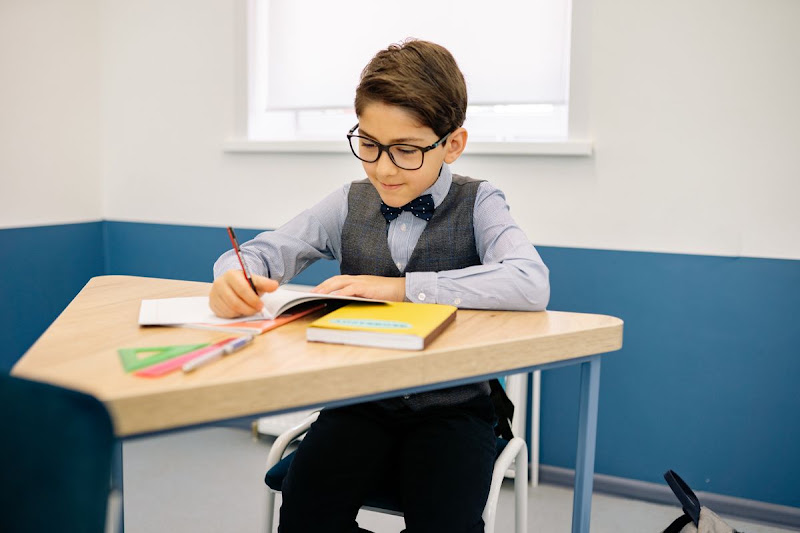
Seventh grade is often the year reading quietly gets harder. Texts get longer, the main idea is rarely stated in the first sentence, and teachers start asking students to explain how an author builds an argument rather than simply what happened. Students who sailed through earlier grades can suddenly find themselves rereading the same paragraph three times. Regular online reading comprehension practice gives them short, focused reps on exactly the skills that make those longer texts manageable.
Where Seventh-Grade Reading Gets Harder
Middle school reading asks for two things at once. The first is strategy: finding the central idea, spotting how a text is organized and reading between the lines. The second is vocabulary: working out unfamiliar words from roots and context instead of stopping to look up every one. Weakness in either slows everything down, because a student who stumbles over words has little attention left for meaning.
The good news is that both respond well to steady, bite-sized practice. Fifteen focused minutes on one skill a few times a week tends to do more than a long weekend catch-up session.
Six Skills Worth Practicing
These skills come straight from a grade 7 language arts practice plan, three for reading strategy and three for vocabulary.
Determine the main idea of a passage
- What it asks: read a passage and choose the statement that best captures what it is mostly about.
- Why it matters: every summary, essay and test question builds on this. Students who can state the main idea in one sentence read faster and remember more.
Draw inferences from literary texts
- What it asks: use clues in a story to work out something the author never says directly, such as a character’s feelings or motives.
- Why it matters: inference is the skill that separates a surface reading from real understanding, and it shows up constantly in literature units.
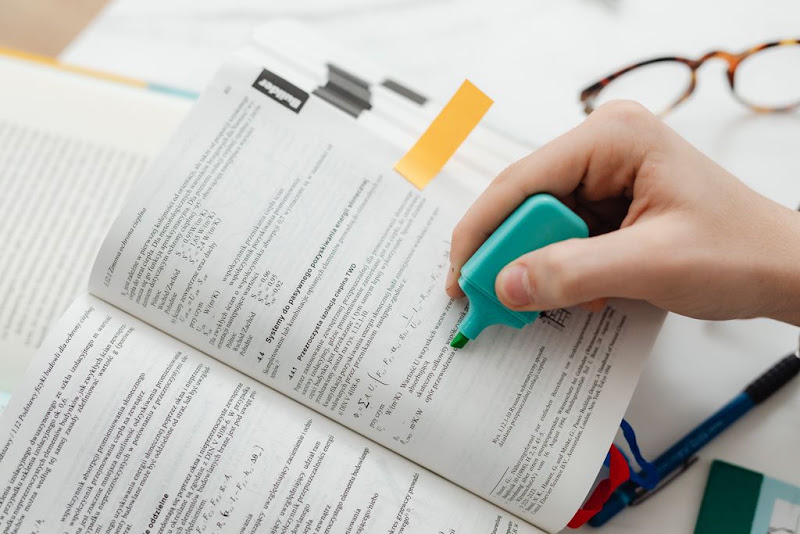
Identify text structures
- What it asks: recognize whether a passage is organized by cause and effect, compare and contrast, problem and solution or sequence.
- Why it matters: knowing the structure tells a reader where to look for key information, especially in science and history texts.
Interpret figures of speech
- What it asks: work out what similes, metaphors, hyperbole and other figurative language actually mean in context.
- Why it matters: figurative language is everywhere in poetry and fiction, and misreading it can flip the meaning of a whole passage.
Use Greek and Latin roots as clues to the meanings of words
- What it asks: use familiar roots such as those in “biology” or “transport” to decode unfamiliar words.
- Why it matters: a single root unlocks dozens of words, which is the fastest way to grow academic vocabulary.
Use context to identify the meaning of a word
- What it asks: read the sentences around an unknown word and choose its most likely meaning.
- Why it matters: this keeps students reading instead of stopping, and it is a standard question type on reading assessments.
Questions Parents Ask
How often should my child practice?
Short and regular works best. Two or three sessions a week on one or two skills is easier to sustain than a long block, and it gives new strategies time to settle.
Which skill should we start with?
Start with main idea. If your child can reliably say what a passage is about, every other reading skill has something solid to attach to. Add vocabulary skills alongside it, since they support all reading, not just one subject.
What if my child gets stuck on a skill?
Step back to an easier version of the same skill or a lower grade level for a session or two, then return. Reading the passage aloud together and talking through why one answer fits better than another often unlocks the pattern faster than more solo practice.
Does this replace reading books?
No. Skill practice sharpens specific strategies, and independent reading is where those strategies get used. The two work best together.
Final Thoughts
Seventh grade does not have to be the year reading becomes a struggle. Targeted practice on main idea, inference, structure, figurative language, roots and context clues builds the habits that make longer texts feel manageable again, and small weekly sessions of middle school vocabulary practice add up quickly over a school year.
All six skills are part of the seventh grade language arts course on IXL, alongside many more reading and vocabulary skills to explore. Parents looking for more learning-at-home guides will find them on TheVougeClub.