
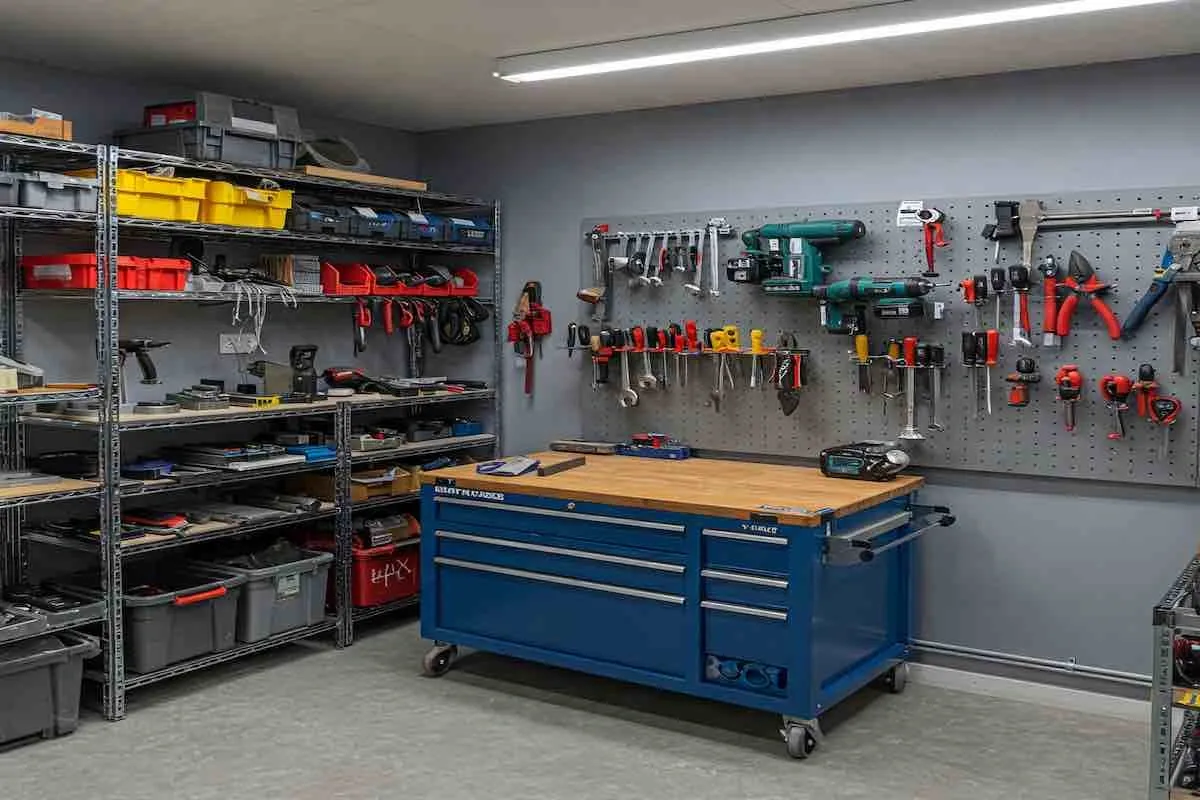
There is a special kind of satisfaction in fixing, building or upgrading something yourself – and you do not need a garage full of gear to start. Most everyday jobs around the house come down to a surprisingly small set of reliable tools. Buy those well once, look after them, and they will see you through years of projects without you ever having to call someone in for the small stuff.
If you are just getting started, this guide walks through the essential DIY tools worth owning, what to look for when you buy, and how to build your kit sensibly – everything you need for your first project or a full starter set.
Start With the Core Hand Tools
Before you even think about power tools, get the basics right. A dependable set of core hand tools is where every kit begins – these are the workhorses you will reach for again and again:
A claw hammer for driving and pulling nails – a comfortable, well-balanced one makes a real difference.
A screwdriver set with both flathead and Phillips heads in a few sizes, or a single driver with interchangeable bits.
A tape measure (5m is plenty for most homes) and a spirit level so everything ends up straight and true.
A utility knife and a set of pliers round out the kit for cutting, gripping and general odd jobs.
Buy these once and buy them well – flimsy hand tools that bend or slip cause more frustration than they ever save.
The One Power Tool Worth Buying First
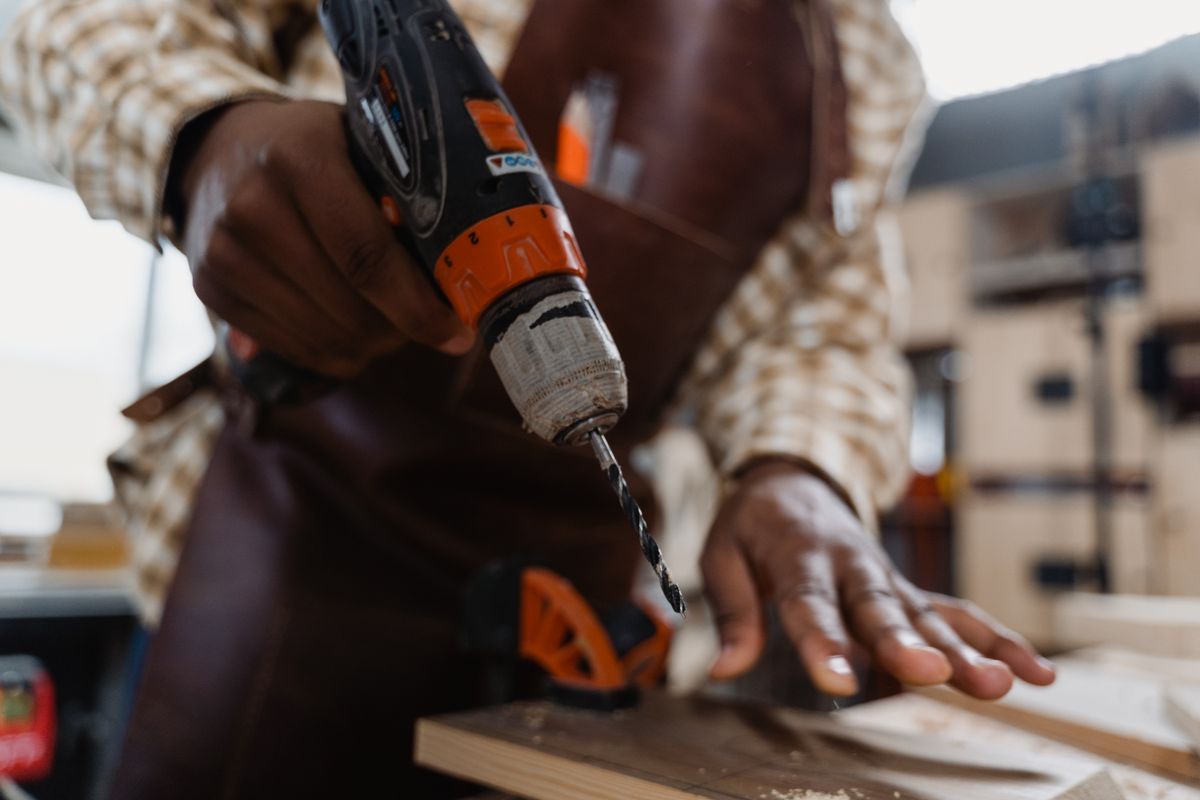
If you only buy one power tool, make it a cordless combi drill. It drills holes, drives screws in a fraction of the time, and with the right bits it will tackle wood, metal and masonry. Look for an 18V model with two batteries so you are never caught out mid-job, and a clutch setting so you do not overtighten and strip screws.
A good drill instantly opens up dozens of projects – flat-pack furniture, hanging shelves, putting up curtain poles, assembling a bed. Browse the power tools range and you will find options for every budget and every level of ambition.

Fixings, Fasteners and the Little Things
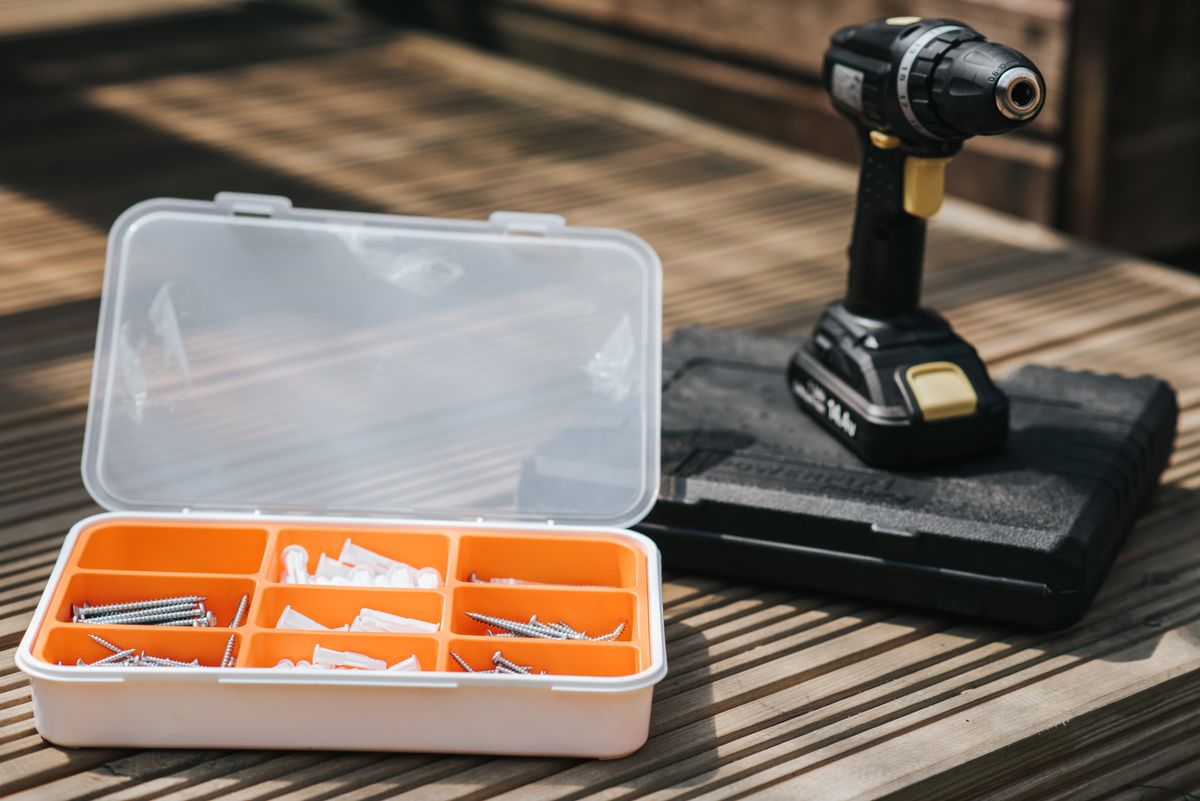
The tools get the credit, but the humble fixings do half the work. Keep a small stock of the essentials so you are never stuck: a mixed box of wood screws, a selection of wall plugs for different surfaces, picture hooks, and a few sizes of nails. For anything heavy going onto plasterboard, proper cavity or toggle fixings are the difference between a shelf that holds and one that ends up on the floor.
A tub of filler, some sandpaper and a caulking gun with a tube of sealant will also handle a huge share of quick home fixes – gaps, cracks, and the tired edges around baths and skirting.
Don’t Forget Safety Gear
It is the least glamorous part of the kit and the easiest to skip – but a few pounds of protection saves a lot of grief. Safety glasses when drilling or cutting, work gloves for handling rough or sharp materials, and a dust mask for sanding and anything that throws up fine particles. If you are working up a ladder or doing anything noisy for a while, add sturdy footwear and ear protection.
You will find affordable workwear and safety gear alongside the tools, so it is easy to kit yourself out properly from the start.
Building Your Kit Without Overspending
You do not need everything at once. The smart approach is to buy tools as projects demand them, choosing quality on the items you will use most and being more relaxed about the occasional-use extras. A solid drill, a good hand-tool set and a tidy storage box will cover the vast majority of jobs a home throws at you.
As you take on bigger projects, add specialist bits gradually – a jigsaw, a sander, or a set of chisels when the need arises. Keeping everything from one trusted supplier makes topping up simple, and Travis Perkins carries the lot, from the first screwdriver to the tools of a seasoned DIYer.
Frequently Asked Questions
What tools should a complete beginner buy first?
Start with a claw hammer, a screwdriver set, a tape measure, a spirit level and a cordless combi drill. That handful covers most everyday jobs.
Is a cordless or corded drill better for home use?
For most people a cordless combi drill is more convenient and versatile. Corded models suit heavy, continuous work, but cordless is ideal around the home.
How do I store my tools?
A sturdy toolbox or a wall-mounted organiser keeps everything visible, protected and easy to grab – and stops tools going missing between jobs.
Revisit TheVougeClub for more home improvement guides, DIY tips, project inspiration and practical advice to help you tackle every job with confidence.