
Knee-high boots are sized by foot, which is why so many people buy the right shoe size and still cannot do up the zip. Calf circumference varies far more between adults than foot length does, and a standard shaft is cut for a measurement most legs do not match. Ranges of wide-calf boots exist precisely for that gap, graded by shaft width rather than left to stretch. Below is how the grading works, how to measure for it, and five pairs that span the widths.
How calf-width grading actually works
Three systems appear side by side, and they are not interchangeable.
2XL and 3XL. Fixed shaft widths, each a set number of centimetres larger than standard. 2XL suits a calf that is close to standard but not quite; 3XL is the genuinely generous cut. The advantage of a fixed grade is that the boot keeps its shape — it does not gape at the top on a narrower leg.
VARIO. An adjustable shaft, usually through a gusset, a buckled strap or a panel that lets the circumference be set after buying. This is the sensible choice when calf measurement sits between two grades, or differs between left and right, which is more common than most people assume.
Elasticated and stretch panels. A stretch insert at the back of the shaft adapts without any adjustment at all. It is the most forgiving option and the least structured, so it flatters a slim ankle less than a cut leather shaft does.
Leather behaves differently from synthetic here. A leather shaft relaxes a little with wear and takes the shape of the leg; a coated synthetic does not, so a synthetic boot should fit on day one.
Five pairs across the width range
One per fitting approach, all within the same selection of boots in wider fittings.
Leather riding boots, wide-calf cut
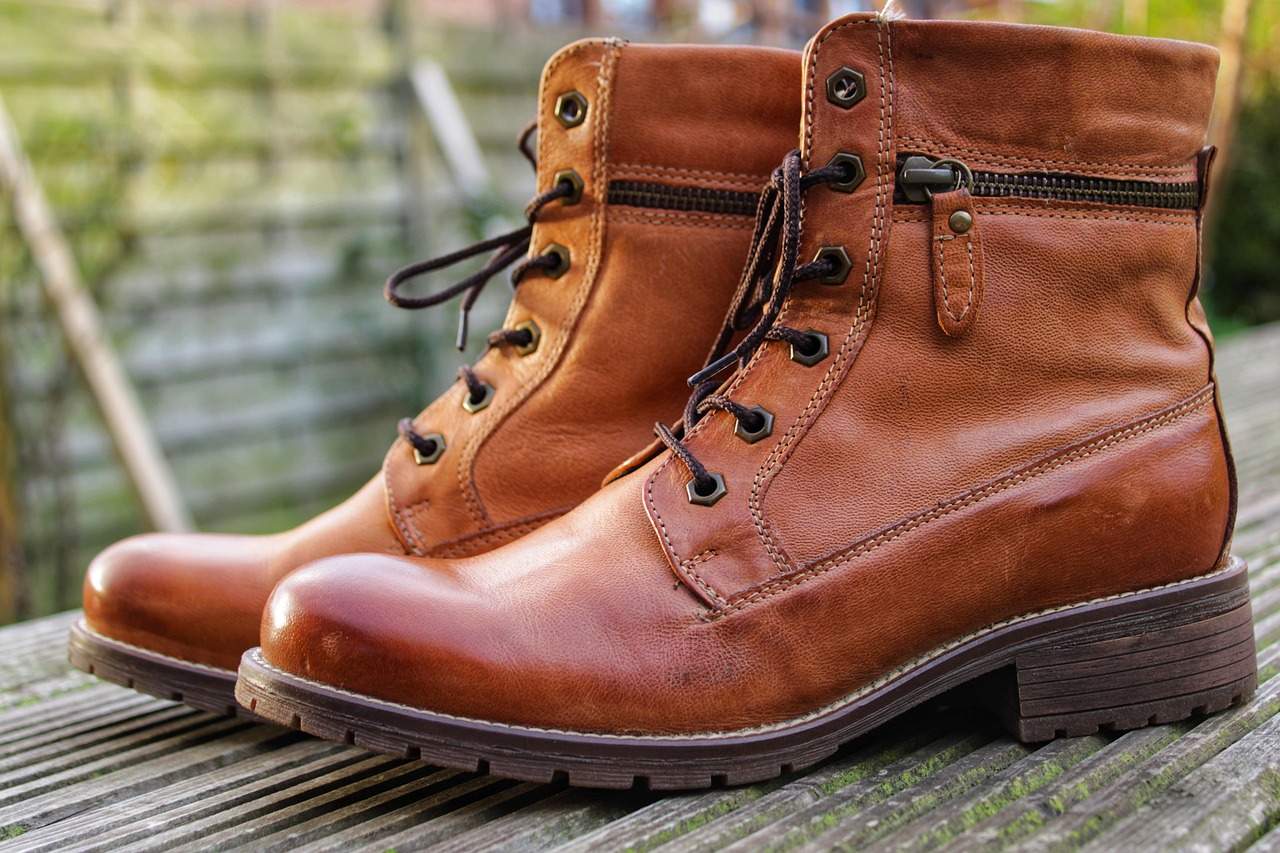
A flat riding silhouette in leather, cut generously through the shaft. The low heel makes it the pair that actually gets worn on a weekday, and leather is what lets the shaft settle around the leg over a few weeks. A riding shape also tucks a jean leg in without bunching.
MARTA 2XL heeled boots
The 2XL grade with a block heel. Worth trying first if a standard shaft is close but tight at the top — 2XL is often all the extra room that is needed, without the looseness a bigger grade can introduce.
LISE 3XL boots
The widest fixed grade here, flat-soled. This is the pair for a calf measurement that standard and 2XL shafts both refuse, and the flat sole keeps the proportion balanced on a wider shaft.
ROMY VARIO 3XL heeled boots
Adjustable shaft at the widest grade, with a heel. The VARIO mechanism means the top can be brought in over a slim trouser and let out over a thick sock, which is the practical difference across a whole winter.
IRINA VARIO 2XL western-style boots
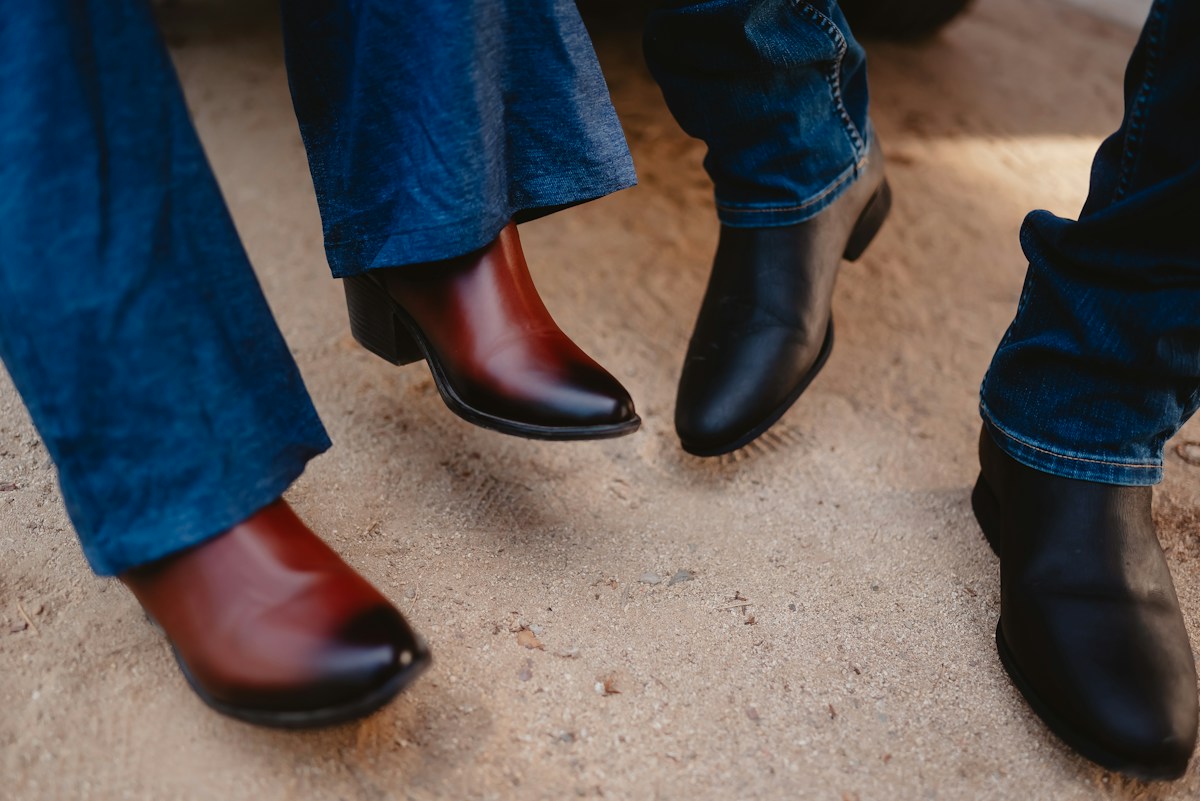
A santiag-style shape with the adjustable shaft at 2XL. The western cut carries a wider shaft better than a tight-fitting boot does, because the silhouette is meant to stand away from the leg. It is the pair that works with a dress as readily as with denim.
Measuring, and when to size up
Measure the widest part of the calf while seated, over the thickness of sock or tights you actually wear, with a tape held snug but not pulled. Measure both legs: a centimetre of difference is normal and the wider one decides the size. Then add room, because a shaft that matches the measurement exactly will press by the end of an afternoon. Removable insoles help here too, since taking one out buys a few millimetres of circumference as well as depth, and several pairs of women’s boots in these ranges are built for that.
Final Thoughts
Buy by the shaft, not by hope. Measure the calf, pick 2XL if standard is nearly right and 3XL if it is clearly not, and choose VARIO when the number falls between the two. Leather will give slightly; synthetic will not. Blancheporte states the calf grade on each listing and runs its own guide to wide-calf fitting, which is rarer than it should be in a boot range, and lists large foot sizes separately from calf width so the two are not confused. More fit-first footwear write-ups go up on thevougeclub.com as the season turns.