
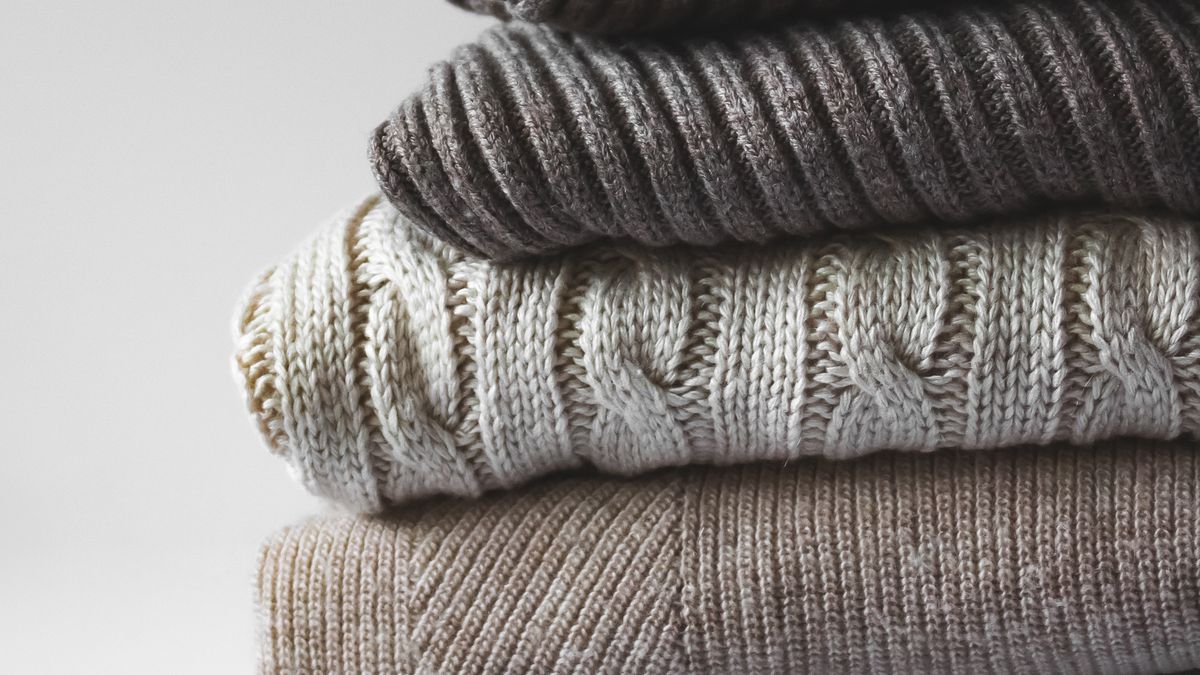
A wool knit either becomes the thing you reach for every morning or it sits in a drawer because it itches, pills or needs handling after every wear. The difference is rarely the price. It is the gauge of the knit and the grade of the yarn, and a well-made men’s wool sweater gets those right in ways you feel within a week.
Gauge is the one worth understanding. A low number means thick yarn and a chunky, warmer knit. A high number means fine yarn and a smooth, lighter one that fits under a jacket. Both are useful; they are just not interchangeable.
What to ask before you buy a knit
How thick do you actually need it? A 3-gauge knit is outerwear in all but name. A 14-gauge sits flat enough to wear under a coat without adding bulk at the shoulder.
Will it go over a collar? Crews and rollnecks work over a tee; a cardigan or a sweater polo sits more naturally over a shirt.
Are you prepared to hand wash? Most wool at this level asks for cold water and flat drying. If that is not going to happen, buy one piece rather than five.
Six knits for a winter
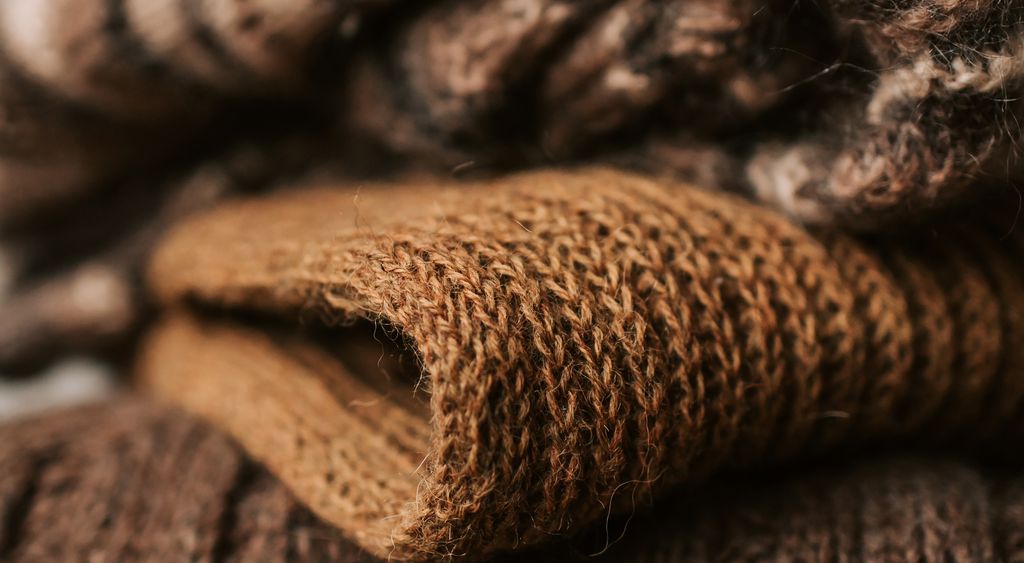
These range from a chunky rollneck down to a fine merino polo, so between them they cover a cold walk and a warm room. Each of these wool knits uses a different construction rather than the same sweater in six colours.
The Eastmoor Sweater in Claret Wool
100% Responsible Wool Standard wool at 5 gauge, jersey construction, with 2×2 rib at the cuffs and hem and a doubled rib at the neck. The doubled neck is what stops a crew from going slack after a season. Claret is a deeper red than it sounds — it works as the colour in an otherwise plain outfit.
The Eastmoor Sweater in Spruce Wool
The same 5-gauge build in a muted green. If you want one knit that disappears into everything, this is the easier of the two colours to live with, and the mid weight suits a room you cannot control the temperature of.
The Eastmoor Cardigan in Oatmeal Wool
The cardigan version, with ribbed cuffs, neck and hem and a doubled 1×1 rib at the pocket openings. A cardigan solves the problem a crew cannot — you can take the front off without taking the whole thing off.
The Seafarer Rollneck Sweater in Natural Donegal
Extrafine merino blended with recycled nylon and a little alpaca, knitted at 3 gauge with a ribbed funnel neck. This is the heaviest here and the one to wear instead of a scarf. The Donegal flecks keep it from reading as plain.
The Newton Sweater Polo in Navy Birdseye Merino
100% extrafine merino at 14 gauge in a birdseye knit, with a full milano rib collar. The finest knit of the six, and the one that goes under a jacket without bunching. A knitted collar is smarter than a crew but softer than a shirt.
The Portola Sweater Jacket in Midnight Merino
85% merino with nylon through it for durability, in a milano knit with a two-way separating zip and two welt hand pockets. Technically a sweater, worn as a jacket — the zip makes it the most adjustable thing on this list.
Keeping them looking new
Fold, never hang. A wool knit on a hanger stretches at the shoulders within weeks and never quite recovers.
Wash cold by hand and dry flat. Reshape it while it is damp and it keeps its measurements; leave it bunched and it dries that way.
De-pill rather than despair. Every wool knit pills where it rubs, and a comb or a fabric shaver takes a season off the look of a merino sweater in a few minutes.
Air it between wearings. Wool sheds odour on its own, so most of the time a night on a chair does what a wash would, with none of the wear.
Worth Knowing
Buy by gauge, not by colour. One chunky knit for the cold and one fine knit for indoors covers a whole winter, and a cardigan or a zip gives you the adjustment that a crew neck cannot. Everything else is preference.
The full knitwear range is on Taylor Stitch, where the gauge and yarn composition are listed for every piece.
Knitwear, denim and outerwear all get this treatment over at The Vogue Club.