
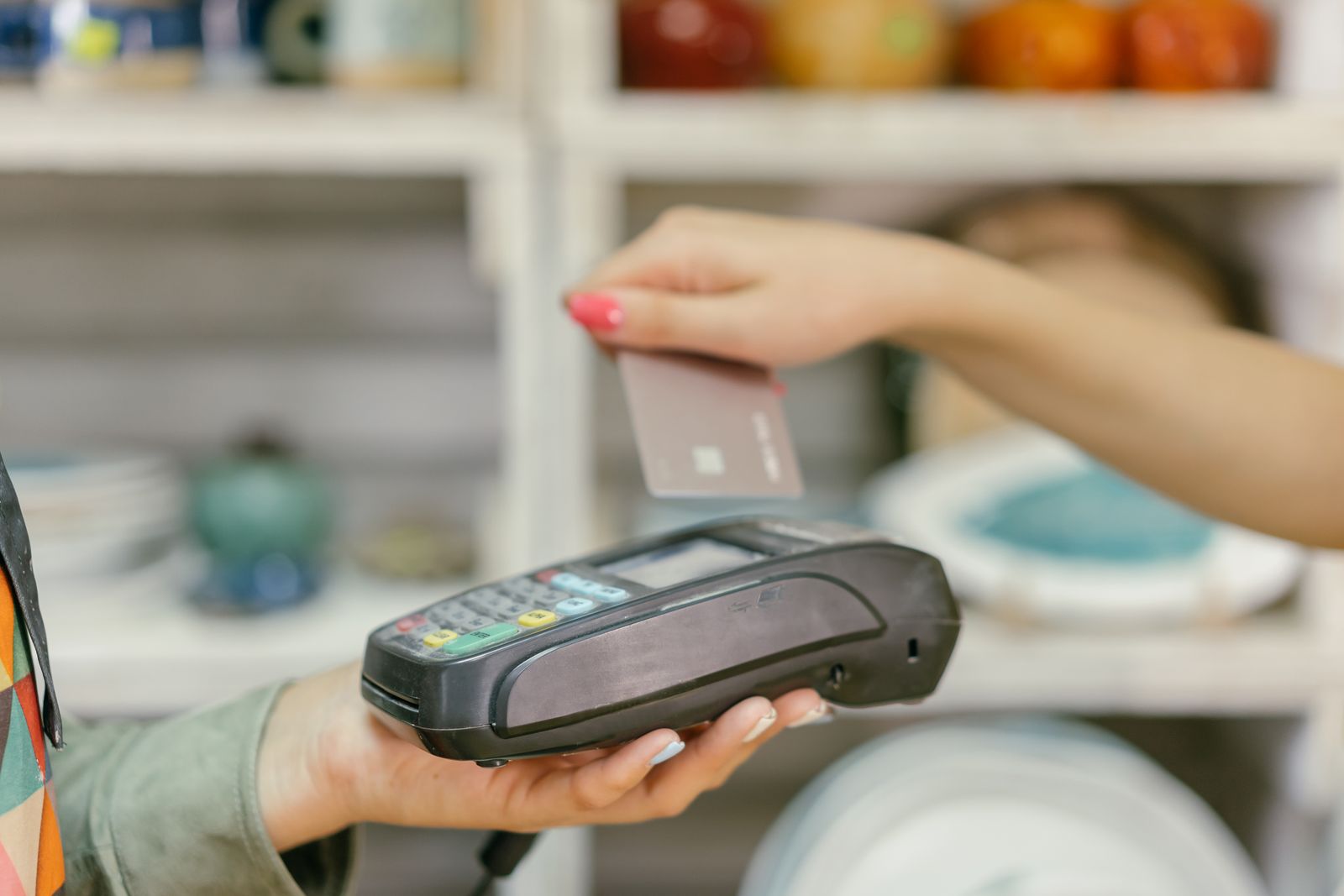
A co-branded card is only as good as the overlap between its partner list and your actual shopping. The headline rate is real, but it applies inside a boundary, and the useful question is never how high the rate goes — it is how much of a normal month falls inside it. For the Tata Neu SBI Card, that boundary is the Tata group, and it covers more of an ordinary household budget than most partner lists manage.
Where the Higher Rate Applies
Spending at the Tata Neu app and website and at partner Tata brands earns 5% back as NeuCoins on the Infinity variant and 2% on the Plus variant. Everything else, including UPI transactions, earns 1.5% and 1% respectively.
The distinction is about where the transaction lands rather than what was bought. A grocery order placed inside the ecosystem earns the higher rate; the same groceries bought elsewhere earn the standard one. That is the single most important thing to understand before judging whether the card suits you.
The Brands That Carry Weight
Groceries
BigBasket is the one that matters most, because groceries are the largest recurring line in most household budgets. A family spending Rs. 8,000 a month on groceries through the partner brands earns roughly Rs. 4,800 a year at the 5% rate, on spending they were making anyway.
Medicines and health
Tata 1mg covers prescriptions, diagnostic tests and everyday health purchases. Smaller in value than groceries, but recurring and easy to forget when tallying up whether a card pays for itself over a year.
Electronics
Croma is where the occasional large purchase lands. A single appliance or laptop bought here can earn more in one transaction than a month of smaller spending, which is worth timing deliberately if a purchase is already planned for the year.
Clothing
Westside covers the wardrobe side, and sits alongside the rest of the group for anyone who shops there with any regularity. For a household that buys clothes seasonally rather than monthly, this is a smaller but still real contribution.
The App Detail Most People Miss
Where the order is placed can change the rate. Spending routed through the Tata Neu app or website is what the programme is built around, so anyone buying from a partner brand's own site directly should check which rate applies to that route before assuming the headline figure.
It is a small habit with a real effect. On Rs. 1 lakh of annual spending, the difference between the partner rate and the standard rate is several thousand rupees — more than the annual fee on either variant, decided entirely by which app the order went through.
Working Out Your Own Overlap
The calculation is simple and worth doing before applying rather than after.
- Add up last year's grocery spending, and note how much went through BigBasket or realistically could.
- Add pharmacy and health purchases that could run through Tata 1mg.
- Add any planned electronics purchase, since one appliance can shift the total materially.
- Add clothing, then multiply the combined figure by the variant's partner rate.
If that number clears the annual fee with room to spare, the card earns its keep on existing habits. If it does not, the standard rate on everything else is what you are really buying, and that is a different and much thinner proposition than the advertising suggests.
What the Rate Does Not Cover
Reward programmes generally carry excluded and capped categories, and the current terms are the place to confirm which apply here. It is worth reading that list once at the start rather than discovering an exclusion on a statement, particularly if a large planned purchase is part of the reason for taking the card.
Where This Card Fits
Households already inside the Tata ecosystem — ordering groceries from BigBasket, buying appliances at Croma, using Tata 1mg — are the ones for whom the maths works without changing anything. For everyone else, the honest read is that the higher rate applies to a slice of spending rather than the whole, and the card should be judged on the standard rate.
One more thing worth settling early is what happens to the rewards once they are earned. NeuCoins are spent back inside the same ecosystem rather than converted to cash, so the value of the rate depends on whether you shop across those brands often enough to actually use them. For a household already ordering groceries, medicines and the occasional appliance from the group, that is a non-issue. For anyone shopping there once or twice a year, it is the second half of the same overlap question, and it is the part people tend to work out only after the coins have accumulated.
What is worth avoiding is the reverse: moving your shopping to fit the card. A reward rate is a discount on spending you were going to do anyway, and it stops being one the moment it starts directing where the money goes. Which brands sit inside the higher rate is listed at Tata Neu.
For more shopping guides and household picks, visit The Vogue Club.
This article is information rather than financial advice. Partner brands and reward rates change, so check the card's current terms before applying.