

People experience thermal-insulated plasterboard through their ability to enter a room which has perfect temperature balance between cold and hot. The material functions as an undiscovered strength which creates significant changes in how residential spaces feel and operate. The correct selection of thermal insulated plasterboard shows unexpected benefits which help your energy-saving efforts during construction or renovation projects. We should analyse things together by using a method which provides actual understanding of the topic.
What Is Thermal Insulated Plasterboard?
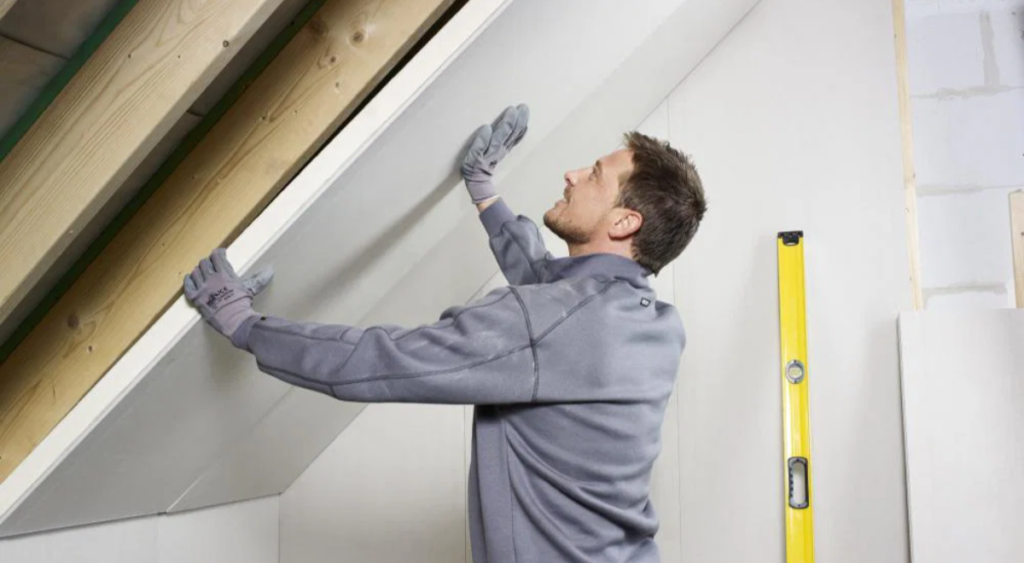
The definition of thermal insulated plasterboard describes a plasterboard panel which has an insulating layer adhesively attached to it. The product offers a combined function because it provides both structural support and thermal insulation protection in a single package. The system provides straightforward installation because it combines insulation board and plasterboard into a single unit which eliminates the need for additional time and space and labour.
The practical advantages of thermal-insulated plasterboard are my favourite feature of this material. The product delivers multiple benefits because it not only increases warmth but also diminishes sound and controls humidity and boosts overall comfort in spaces.
Why Choose Thermal Insulated Plasterboard?
People want to avoid paying extremely high energy costs. The solution to this problem exists through the use of thermal insulated plasterboard.
The following reasons demonstrate its value as a product:
- The system maintains internal heat during winter months to keep your home warm.
- The system helps users to decrease both their energy usage and financial expenses.
- The product enables easier setup because it combines insulation and plasterboard functions into one system.
- The system provides extra wall performance improvements while using minimal additional space.
Everyone wants their home to be both comfortable and energy-efficient. The situation produces benefits for both parties.
Different Types of Thermal Insulated Plasterboard
1. Standard Insulated Plasterboard
This is your everyday go-to thermal insulated plasterboard. The product typically includes gypsum board together with rigid foam insulation materials such as PIR or EPS. The product works best for general home use because it allows you to build new walls on existing wall surfaces. The insulated plasterboard provides reliable performance for beginner users who need a dependable solution. The solution provides an ideal cost-performance balance for users.
2. Tapered Edge Insulated Plasterboard
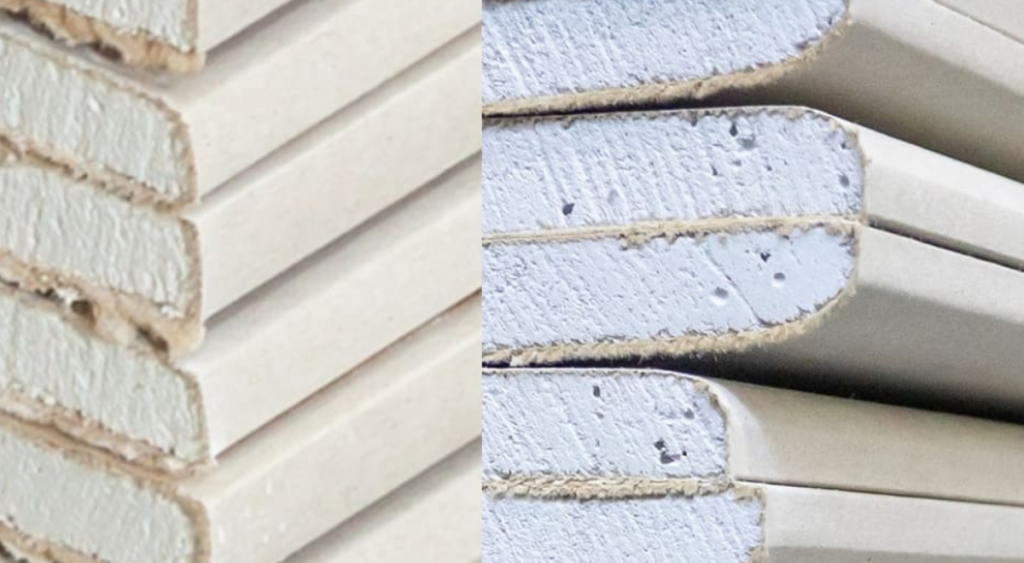
The current situation requires better performance through advanced technology. Tapered edge thermal-insulated plasterboard is designed to create joints which blend together with surfaces that appear smooth.
The building uses this type of material because it creates smooth, straight walls which have no visible connections. The jointing compounds use the tapered edge to create a perfect surface through its placement of compounds.
3. Moisture-Resistant Insulated Plasterboard
Bathrooms, kitchens, laundry rooms—you name it. The area requires durable materials because its environment becomes more demanding.
Moisture-resistant thermal insulated plasterboard serves as the solution for this problem. The product combines insulation capabilities with moisture protection against humid air and water damage. The method of combining plasterboard with insulation materials results in walls which maintain their visual appeal while increasing their lifespan. The desire for no peeling paint or mold invasion exists with everyone.
4. Fire-Resistant Insulated Plasterboard
Safety first—always. The material includes special fire additives which enhance its ability to resist flames.
The material finds its main applications in garages and kitchen spaces and shared walls between apartments. The combination of insulation with fire protection results in double security which protects your home from fire hazards.
The specialist plasterboard demonstrates how contemporary construction materials offer functions which extend beyond their basic usage.
5. Cement Board with Insulation
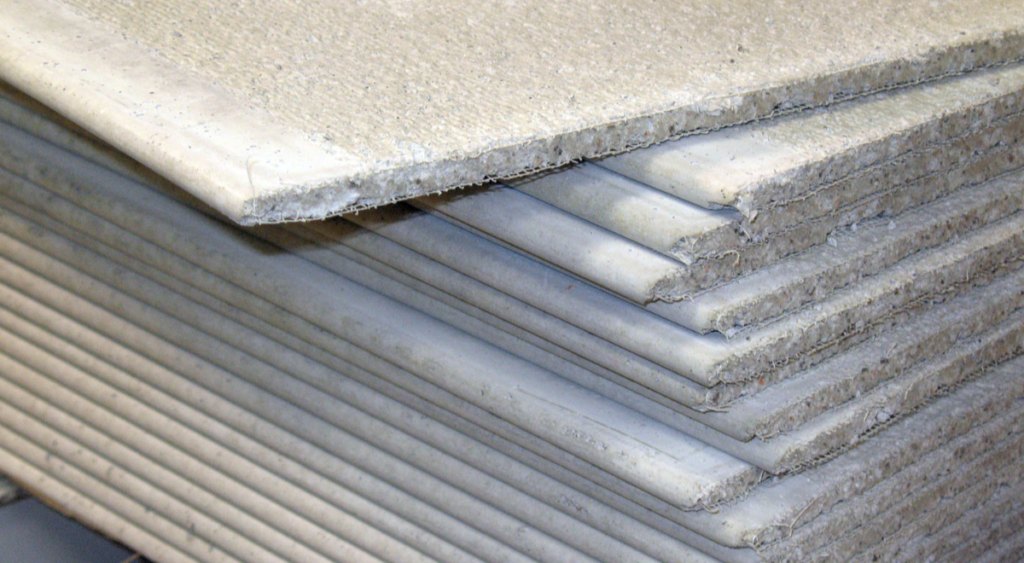
The present situation requires different solutions. The combination of cement board together with insulation materials creates a system which provides ultimate protection against water damage while maintaining high durability.
The material offers greater weight and strength compared to standard boards because it serves as the ideal choice for protection in locations which face severe impacts and wet conditions. The material serves as the ideal choice for protection in locations which face severe impacts and wet conditions.
The combination of an insulation board with another material establishes a durable system which provides long-term protection.
Choosing the Right Thermal Insulated Plasterboard
You should select thermal insulated plasterboard by evaluating your space requirements instead of choosing discounted products. You should evaluate your space requirements.
Ask yourself:
- Is the area prone to moisture?
- Do you need fire resistance?
- Is aesthetics a priority?
- How much insulation do you actually need?
The best outcomes occur when you combine different types of materials which include moisture-resistant boards for bathrooms and tapered edge boards for living areas.
From my experience, it’s always better to think long-term. The initial expense of purchasing proper insulated plasterboard will lead to future savings because it prevents multiple problems.
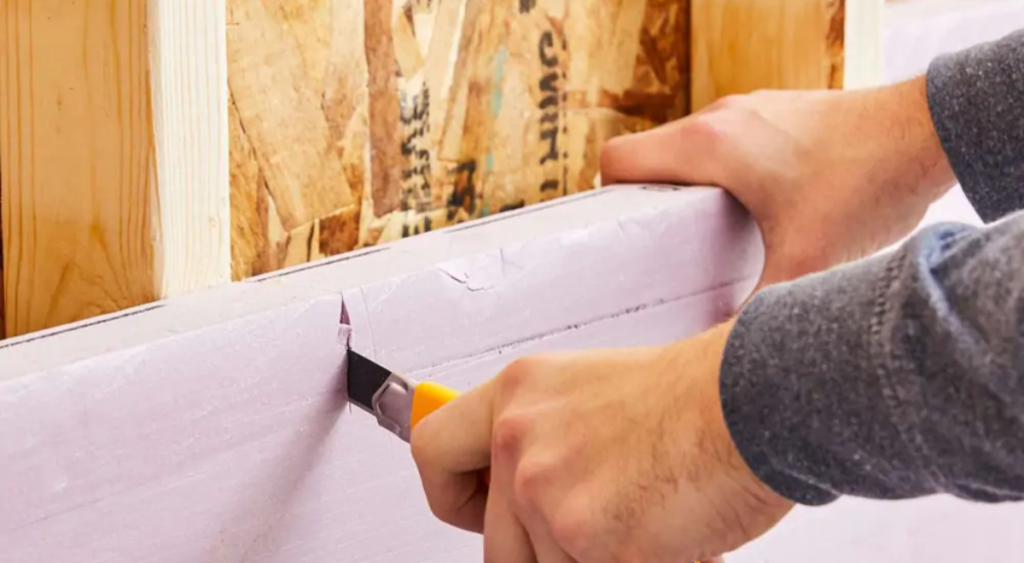
Installation Tips for Better Performance
The performance of thermal insulated plasterboard reaches its maximum level through correct installation method execution.
The following practical advice serves as useful guidance
- The walls must be cleaned before installation work starts while they remain in their dry state
- The proper fixings must be used which match the requirements of plasterboard with insulation
- The installation requires proper joint sealing which becomes critical when using tapered edge boards
- The installation space between two objects should be eliminated which helps to maintain maximum insulation performance.
The situation needs professional assistance because it will help to establish insulation and plasterboard system functionality.
Common Mistakes to Avoid
The performance of thermal insulated plasterboard suffers from multiple errors which can occur during its installation process.
- The selection of inappropriate materials for a specific environment leads to detrimental outcomes.
- The failure to acknowledge moisture resistance requirements for wet areas results in problems.
- The inadequate joint sealing approach creates problems for the project.
- The existing insulation board needs to be checked for its compatibility with other materials before proceeding with construction work.
Thermal insulated plasterboard isn’t just about comfort. It’s about sustainability too. Trust me, a little planning goes a long way.
Conclusion
The use of thermal insulated plasterboard represents a smart home improvement choice which creates important changes throughout your entire property. The solution provides practical advantages which enhance operational efficiency while delivering multiple applications. The solution provides different types of products which meet your needs through optimal moisture control and fire safety while delivering superior insulation. The process of selecting exceptional materials from Travis Perkins will help you find dependable materials which provide excellent performance at a reasonable price while staying user-friendly.
For more home improvement inspiration, smart building tips, and practical material guides that help you build better spaces, explore TheVougeClub.