
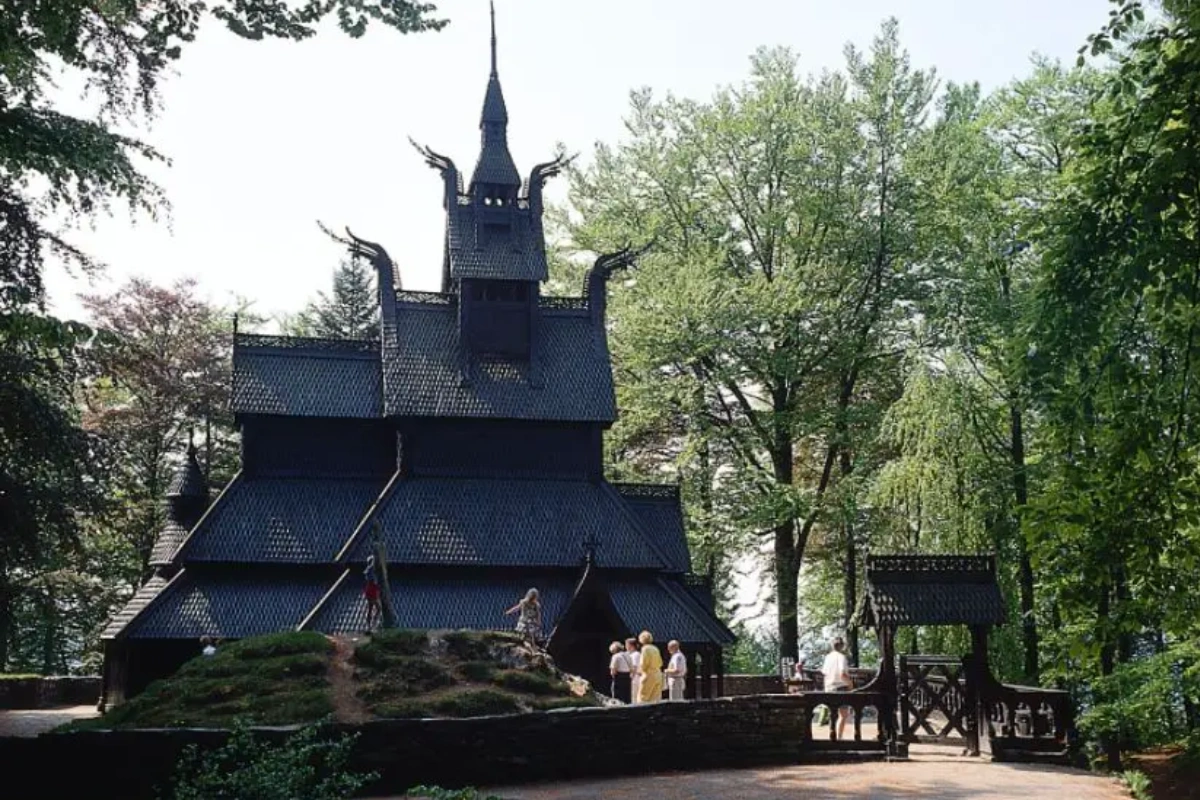
Norway is such a nation, in which the past is not imprisoned in museums but exists in the life of towns, coastlines, and countryside. From its settlements of the Viking era, through medieval castles, up to centuries-old churches, the nation has had a strong bond with its history and culture. Traveling to historic sites Norway isn’t always best about historic buildings; however, it’s also about the way in which history shaped today’s lifestyle.
The blog features the most historic sites Norway, with castles, churches, old towns, and heritage landscapes. You will find out why these sites are important, what they present, and how to go there with proper preparation. These historic sites in Norway can help bring the past into a clear focus, whether you are interested in culture, architecture, or a story to be told.
We should understand this history of Norway.
Medieval Fortresses That Shaped Norway
The history of Norway dates back to much earlier than the formation of the modern towns, and one of the most intriguing historical locations in Norway is the Viking historical past. The settlements, graveyards, and created villages of Vikings tell us how the humans of Norse lived, moved, and traveled through Europe. The historic sites Norway
allow the traveler to learn about the social structures, craftsmanship, and ideals of early society.
Many of those Norway historical attractions are placed near key towns or coastlines, presenting scenic perspectives alongside historic values. Walking through castle grounds allows visitors to imagine life in medieval times and also learn how Norway protects its borders. These ancient locations in Norway are retained to serve as cultural landmarks and social spaces today.
Let’s step back in time and explore Norway’s living history.
Sacred Churches and Timeless Architecture
One of the most notable historic sites Norway is medieval fortresses. These are defensive and administrative buildings and the centuries of political transformation and foreign influence. There are stone walls, towers, and courtyards that narrate tales of royal reign, war, and survival.
This is because most of those historic sites Norway are found near foremost towns or coastlines, and they may be not only the simplest scenic but also have historical significance. Access to the fortress grounds offers a tourist a chance to get a glimpse of how life was lived in the medieval length and how Norway controlled to protect borders. These cultural landmarks and open spaces in Norway are still in use today.
The specialty of these sites:
- Places of strategic location along the coasts and hills.
- Well-preserved architecture
- Fervent historical narration.
Faith and craftsmanship were as significantly important in forming the past of Norway.
Historic Towns Preserving Daily Life
Some of the most immersive historic sites Norway offers are whole neighborhoods that have remained largely unchanged for generations. Cobblestone streets, timber homes, and old trading districts show how people lived and worked in earlier centuries.
These Norway heritage sites often developed around trade routes, cities, or marketplaces. Walking through them seems like moving into a different technology, wherein history unfolds by architecture and format. Such historic sites Norway allow visitors to experience history beyond monuments. Beyond the religious structures, historic towns are a celebration of life several centuries ago.
Cultural Landscapes and Heritage Regions
Historic sites Norway also include neighborhoods that have changed much over the years. Old trading districts, cobblestone streets, and wooden houses show the lifestyle and labor of people during the past centuries.
These Norway history sites often develop in the change routes, ports, or marketplaces. The experience of walking through them is sort of a feeling of visiting the past, wherein history is discovered through architecture and design. The historic sites Norway make the tourist capable of experiencing historic stories and monuments.
Some of the historic towns are characterized by:
- Wooden architecture of the past.
- Old merchant quarters
- Local cultural centers and local museums.
History in Norway is not an urban phenomenon only; it exists in the countryside too.
Smart Tips for Visiting Historic Sites
Visiting Norway landmarks requires awareness and care to preserve them for future generations. These places show the ways how people coexisted with nature.
These areas are known as significant historic sites Norway, and they maintain traditional practices, building styles, and land use. They are also particularly useful to the travelers who want to know about historic sites Norway that go beyond the usual tourist attraction sites and get into the daily cultural life.
In order to enjoy these places to the fullest, planning adds value to the experience.
Plan a Meaningful History Journey
Traveling to historic sites Norway, one needs to be aware and respectful in order to lessen degradation of such sites for the next generation. Many sites are conserved, and they depend on sustainable tourism.
Helpful tips for visitors:
- Adhere to prominent paths and rules.
- Handling fragile structures is to be avoided.
- Take time to read information on the sites.
Plan a History Trip That Matters
The history of Norway can only be slowly and carefully considered. The historic sites Norway explores are the most gratifying ones in that they involve learning, contemplation, and discovery.
The main lessons for the lovers of history:
- Pair well-known attractions with the lesser-known attractions.
- Guided tours can be used to develop further knowledge.
- Efforts in preservation of respect.
Pro tip: Visiting more places can be achieved by spending time in fewer places and gaining deeper historical understanding.
History is not just a checklist with purpose and interest.
Conclusion
When you try to find out the history of Norway, it’s more viable to discover a state of perseverance, religion, and art. Historic sites Norway constitute a complete spectrum of cultural improvement, from Viking settlements and medieval fortresses to churches, cities, and cultural landscapes, all of which can be observed there. They are not static places; they’re always used to shape the cutting-edge Norwegian identity. Be it the attraction to architecture, storytelling, or cultural exploration, these historical sites Norway make the travel worthwhile. Staying in comfortable hotels such as those offered by Scandic also makes it easier to explore at a slow pace, and thus you can concentrate on learning and not logistics. History is not dead in Norway but rather personal, alive, and rewarding as well.
Take a trip with TheVougeClub and you will be taken back to the places where history is silent and stories are told naturally, and every trip seems timeless.