
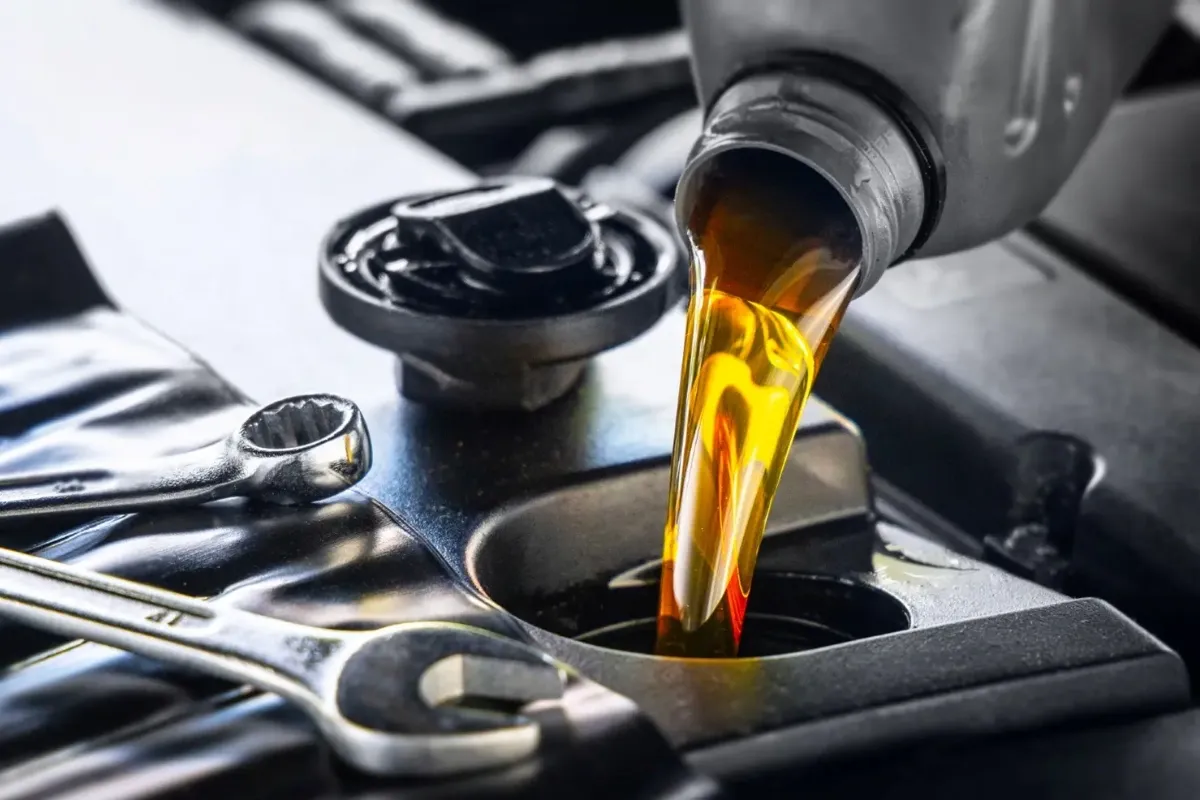
Whether you’re driving to the grocery store or on a long trip down the highway, your car is busy all day long. However, a simple chore is sometimes overlooked when changing the oil and oil filter. This engine oil change guide covers the importance of regular maintenance and how that contributes to the longevity of your engine. I’m sure you have asked yourself when to change engine oil. With the right knowledge, you can save money, avoid vehicle breakdowns, and ensure that every drive runs smoothly by knowing the basics of car engine oil maintenance.
Why Engine Oil Matters More Than You Think
Consider oil in the engine as blood flowing through your body. If it is not present, parts of the metal surface rub against each other, which causes friction, heat, and unnecessary wear. A good engine oil change guide always begins by stating that using fresh oil lubricates moving parts, cleans dirt and filters particles, and helps to control engine temperature.
Failing to follow proper vehicle oil maintenance schedules over time will cause a decrease in vehicle performance and may actually shorten the life of the engine. It can also be seen that the optimal choice of the best engine oil recommended by the manufacturer can make all the difference. Power is not the only element of a healthy engine; it’s reliability, no matter when you turn the key.

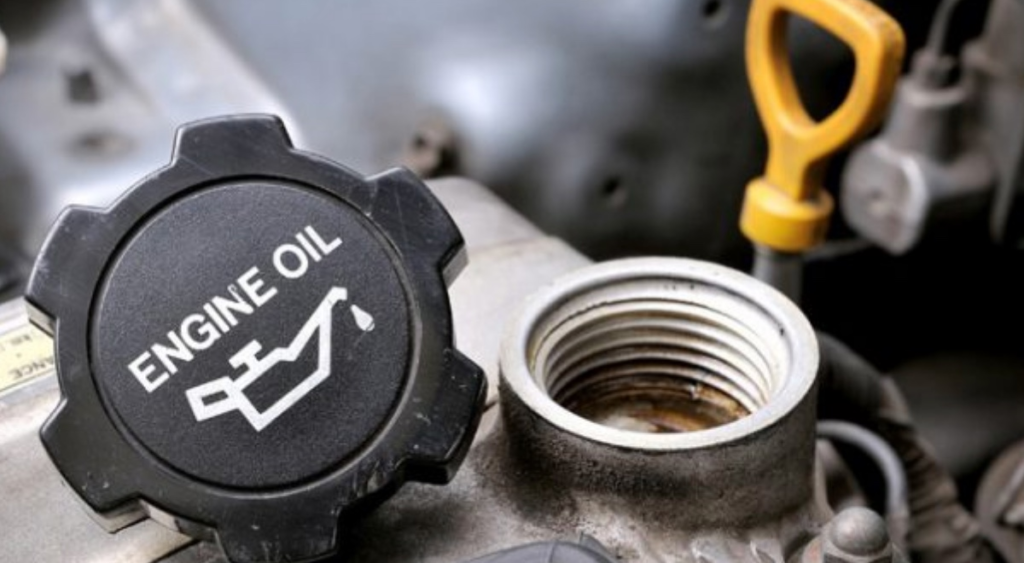
When to Change Engine Oil Depends on Several Factors
No magic formula for mileage that suits all motorists. Modern cars may require an oil change between 5,000 and 10,000 kilometers, but this depends on your driving practices as well. While following this engine oil change guide, please consult your owner’s manual.
Vehicular traffic, dusty roads, frequent towing, or weather extremes can all lead to a car oil replacement that may be earlier than planned. When driving at a low rate of speed, old oil may lose its protective properties over time. That’s why knowing when to change engine oil is not just a matter of numbers; it’s a matter of usage.
Common Oil Change Warning Signs You Should Never Ignore
Typically, your car will alert you before oil is an issue. Taking the time to pay attention can be a cost-saving measure in the long run. This guide to engine oil change suggests that these are signs to look for:
- Oil change warning signs such as dashboard warning lights
- Dirty, dark, or gritty oil on the dipstick.
- Increased engine noise
- Burning oil odor in the vehicle or outside of the car.
- Lower fuel efficiency
- Rough engine performance
- Excessive exhaust smoke
Your engine oil change guide recommends checking oil immediately whenever these symptoms appear. Spotting these oil change warning signs early makes car engine oil maintenance much easier and helps avoid unnecessary engine damage.

Understanding Different Motor Oil Types
Part of the confusion comes with the number of different motor oil types available these days. This engine oil change guide urges the understanding of the principles behind the process before buying the oil.
Normal oil can be bought and is good for older engines that have lighter driving requirements. Synthetic oil offers better protection in extreme weather conditions and generally lasts longer. Synthetic blends are designed to meet a balance between performance and price, and high-mileage oils are formulated for older cars.
The decision of which motor oil types is appropriate for a vehicle should always be made based on the specifications of the vehicle and not based simply on the price. The best engine oil is sometimes just that recommended by your manufacturer.
Simple Engine Oil Maintenance Tips That Make a Big Difference
Maintenance does not have to be difficult but is important to do consistently. This engine oil change guide will suggest a couple of simple practices to develop.
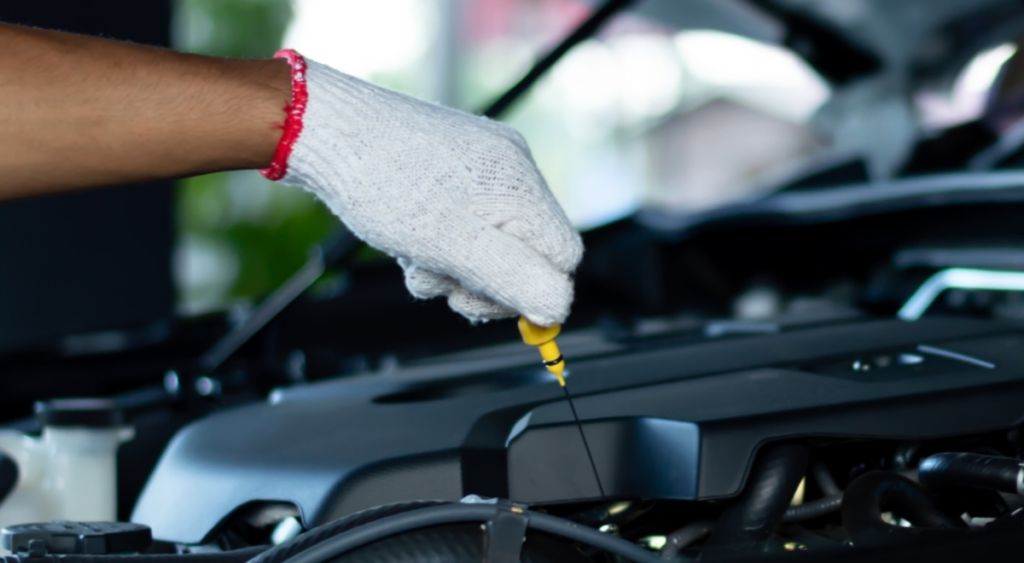
Use the dipstick to check the oil level once a month. Park on a level area and check the oil before extended trips. Change the oil filter during car oil replacement, as it can restrict the flow of clean oil.
One of the most helpful engine oil maintenance tips is the accurate record keeping of the services performed. One is to refrain from unnecessary idling of the engine, since this contributes to the deterioration of oil. Small habits like these improve overall vehicle oil maintenance without requiring expensive equipment.
Your Practical Oil Change Checklist
Everything is easier if a little preparation is in place. Follow this engine oil change when you are considering oil changes:
- Review the owner’s manual
- Confirm when to change engine oil
- Choose the best engine oil
- Purchase the correct oil filter
- Inspect for leaks
- Check the oil level
- Properly dispose of used oil
- Record the service date and mileage
The following oil change checklist can help you manage your car engine oil maintenance in an orderly fashion and avoid missing any important details. This engine oil change guide suggests keeping the checklist in a convenient location prior to each service.
Why Delaying Car Oil Replacement Can Cost More
Delaying a car oil replacement may not seem like a big deal when the car is running just fine. Unfortunately, engine wear usually takes place over a period of time and without any warning signs. Oily parts that have been contaminated with dirt cannot lubricate moving components properly, and heat and friction accumulate over time.
This engine oil change guide serves as a reminder to motorists that skipping oil changes can cause sludge to accumulate, decrease fuel economy, cause the engine to overheat, and result in costly repairs. One of the most valuable aspects of your car is the vehicle oil maintenance which is a key step in keeping it in good condition and ensuring it maintains its resale value.
Building a Routine That Protects Your Engine
The simplest approach to avoiding trouble is to make oil service a routine part of the process, rather than a procedure that you could only perform if you had an issue. This engine oil change guide reminds you to check service reminders, consider mileage, and be aware of oil change warning signs so they don’t become a serious issue.
All of the above—routine inspections, the best engine oil, motor oil types, engine oil maintenance tips, and completing the oil change checklist—are steps that lead to smarter car engine oil maintenance. These habits can turn into a habit, and taking care of your car becomes much less of a task and much more of a way of taking care of an investment.
Conclusion
There is no magic to maintaining a healthy engine; it just takes consistency. By following this engine oil change guide, knowing when to change the engine oil, being aware of the oil change warning signs and performing the oil change as soon as they occur will help your car run for years. Smart vehicle oil maintenance is always beneficial for both novice drivers and experienced ones. When it comes to top-tier vehicles and reliable maintenance, Norauto is here to help get your car on the road.
For more practical automotive insights, maintenance guides, and helpful driving resources, explore more at TheVougeClub.