
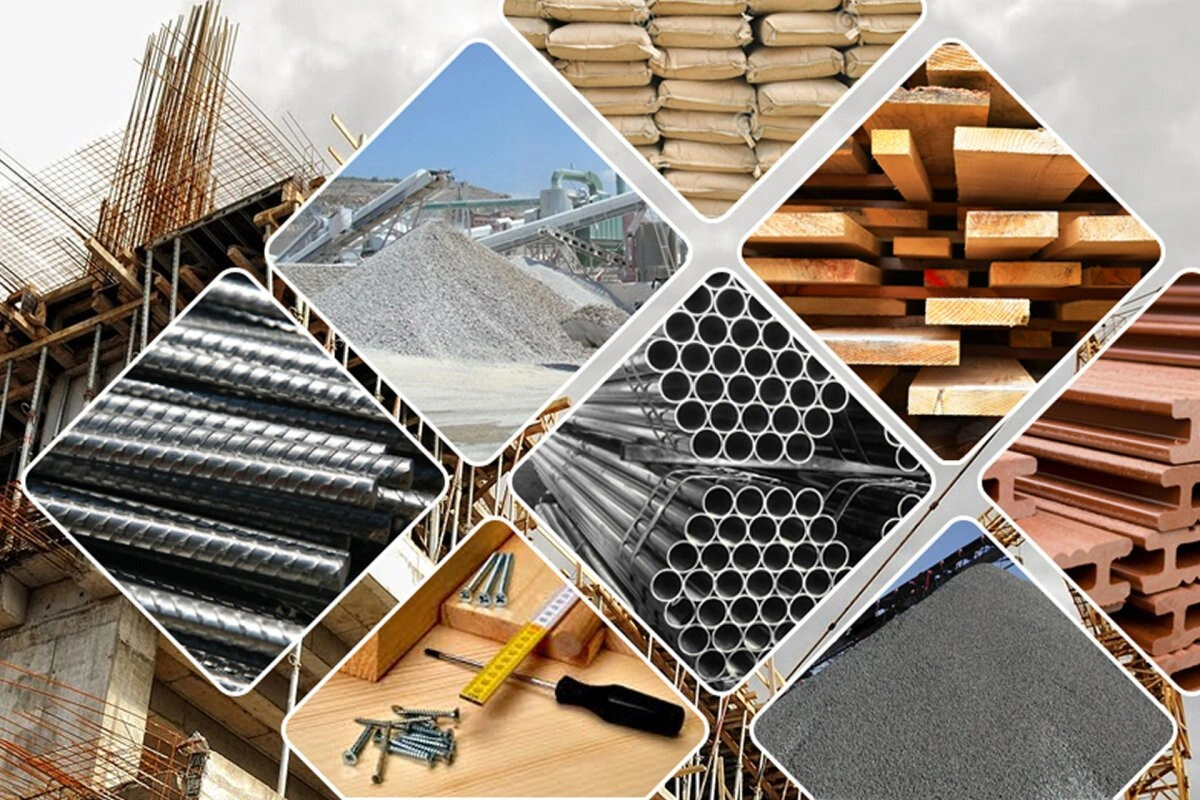
Have you ever embarked on a home project with great assurance only to realise halfway into the work that you have not made the right choice on the material used? It is a challenge for many homeowners, mostly when weighing durability, cost, and suitability. The selection of the right Building materials may prove the difference between the project that will be carried on in a smooth way and the one that will be associated with the reparations and unforeseen costs. Research indicates that one of the leading causes of delay and cost excess in renovation is material-related errors.
This blog will discuss the process of choosing the appropriate building materials in any of the home projects, be it a minor DIY project or a major renovation. You will know how to assess quality, learn how it should be used, and make quality decisions that will contribute to the long-term outcomes. Building materials can be used successfully to bring more safety, performance and successful completion of the project with the right approach.
Early informed decision-making assists your project to remain efficient and dependable. To start with, we need to know why the choice of the materials is of critical importance.
Why Proper Building Materials Ensure Lasting Results
Choosing building material is a very crucial process in any home project. The type of materials used affects the structural integrity, lifespan and maintenance. The low quality or inappropriateness of poor choices may provoke the appearance of cracks, moisture, and even a safety threat in the long run. A study conducted in a residential building shows that using the right materials increases the durability of the building by over 30 per cent.
In addition to structure, building materials also influence energy efficiency and comfort. Home performance is also related to the quality of its insulation, surface finishes and moisture-resistant properties. In the case of construction materials, where they are applied and their purpose, it becomes possible to prevent errors in matching the design and the purpose. Informed decisions are applicable even to small projects since the correct building materials minimize waste materials and rework.
Pro Tip: Be sure to find the right materials to suit the environmental conditions and the requirements of the use, not only the look.
Keeping these essentials in mind, it is now time to find out the key material types applied in home projects.
Key Building Materials Every Homeowner Should Know
Various building materials are needed in various home projects, and each one of them fulfils a certain purpose. The materials used in foundations, walls, and finishes are all based on materials of special properties. In an example, the construction materials used in home construction, like structural blocks, offer strength, whereas the surface materials emphasise durability and appearance.
The main categories of material are:
- Framing and load-bearing structural elements like timber and bricks.
- Stabilising elements such as cement materials to bind.
- Protective and decorative coats of the final layers.
When procuring DIY building supplies, one should know how their materials respond to pressure, moisture and temperature variations. Quality building materials also save the differences within the project, in terms of quality, throughout the project.
Selecting materials according to the purpose but not convenience brings the results. Categories are clear, so now we have a look at how to choose the material that will suit the needs of a project.
How to Choose Building Materials of Your Type of Project
Building materials are not that suitable for every project. There are various needs of a garden wall, kitchen renewal, and interior partitioning. The choice of materials which is not based on application mostly results in inefficiency and high costs.
Practical considerations in the case include:
- Exposure to weather and project location.
- Load-carrying certification and safety.
- A fit with existing structures.
- Access to Building Supplies UK without violations of laws.
In the case of dealing with construction basics, it is useful to refer to the technical specifications and suppliers’ instructions. Quality building materials must be guaranteed in quality and must be in accordance with the vision of the project life. In the case of home renovations, it is easier to focus on home construction materials that have the ability to provide strength, and at the same time, installation is easy.
Pro tip: manufacturer guidelines should be reviewed first before finalising the choice of material.
Having the principles of selection, the second thing to do is to plan what you will purchase wisely.
Practical Tips for Buying Building Materials
The strategic purchase of building materials will save time, money, and effort. Hurried buying usually ends up in overbuying or buying the wrong things. Quantity planning and material specification are very important.
Helpful buying tips include:
- Make certain of the measurement of project areas prior to buying.
- Compare finishes and grades to prevent irrelevant upgrades.
- Purchase just a little more to cover cutting and waste.
- Keep materials in store in good condition.
Quality Construction Materials are good when they are used and stored properly. Selecting reliable suppliers brings about uniformity and minimization of chances of defects. Considerate buying also prevents budget constraints at the cost of material performance.
Through proper planning, building materials will be an investment and not a cost. In a summary, here are some insights on how to use them.
Upgrade Your Home with Better Materials
The selection of the building materials is not just about a project being done, but it is about leaving behind permanent outcomes. The correct choices make it more durable, lessen service, and reinforce security in your house. From structural elements to the minor details, well-informed decisions will result in smoother operations and improved results.
Key takeaways include:
- Align project resources to the project environment and project function.
- Emphasize quality and compliance, but not appearance.
- Make the purchases of plans so as to minimize waste and delays.
Pro Tip: Have a basic list of what you need to shop with.
You now have the principles you need to take home projects to heart and mind.
Conclusion
The choice of building materials is one of the most critical decisions in any project in a home. Considering material decisions in the planning process, your work life can be long, safe, and successful. Knowing the categories, the requirements related to the usage and the purchasing strategies, the homeowners could prevent the typical errors and attain credible outcomes. Quality materials ensure efficiency and lessen the maintenance issues in the long term.
The homeowners can also be assured to make a wise decision since the reliable retailers such as Wickes have materials that are reliable and well structured to match the current building standards. You may be remodelling one room only or approaching a more extended renovation; the appropriate building materials will make sure that your work will be there when you need it.
Go back to TheVougeclub and find the wisdom of professionals and find smarter methods of planning, building, and upgrading with certainty.