
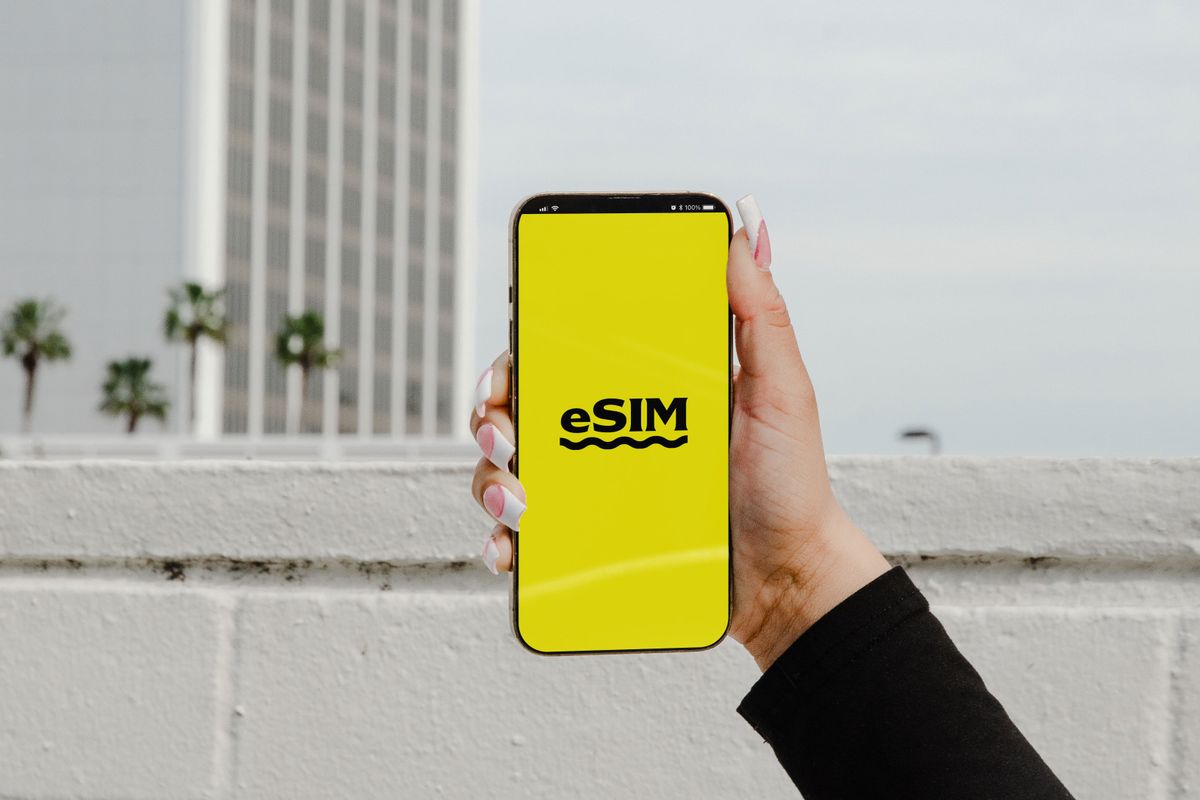
For decades, getting connected meant slotting a tiny plastic card into your phone. Now there is another option built right into modern handsets, and it is changing how people think about mobile plans. Choosing between an eSIM and a traditional physical SIM is not about which is better overall, but about which suits the way you actually use your phone. This guide breaks down how the two differ, the pros and cons of each, and how to decide which one is right for you.
What Is a Physical SIM?
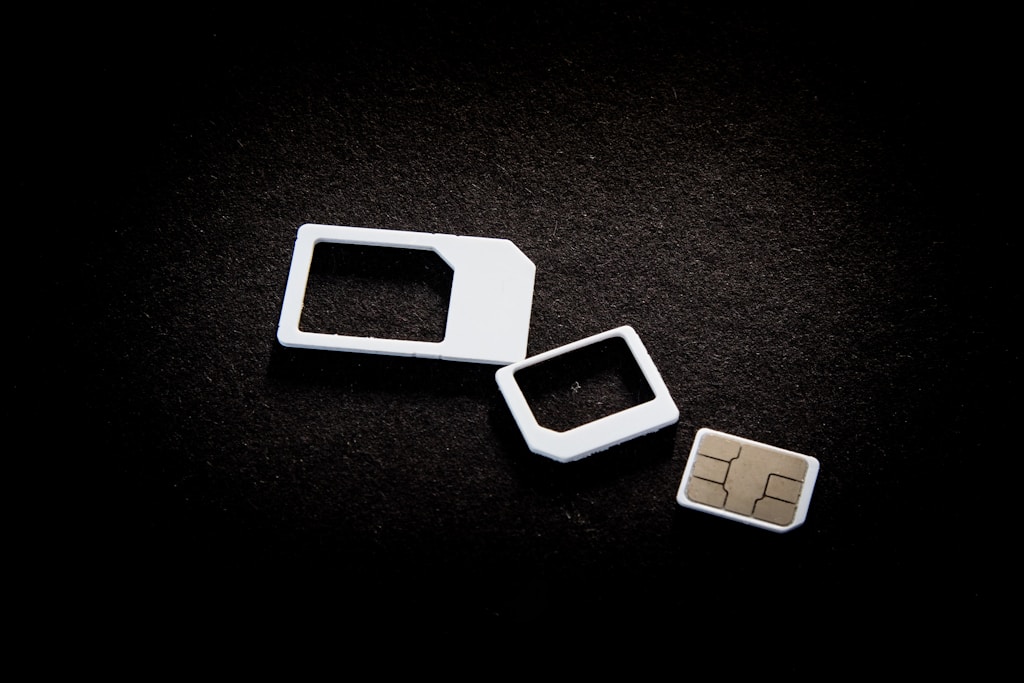
A physical SIM is the small removable card that has powered mobile phones for years. You receive it in the post or pick one up in a shop, insert it into your phone’s SIM tray, and it stores the information that connects you to your network. Its biggest strength is familiarity and universality: nearly every phone accepts one, and moving your number to a new handset is as simple as popping the card out and slotting it into the new device. It is a proven, no-fuss technology.
What Is an eSIM?
An eSIM, short for embedded SIM, does the same job but is built directly into your phone rather than being a separate card. Instead of waiting for a card to arrive, you activate a plan digitally, often by scanning a QR code or tapping a few buttons in an app. Because there is no physical card to handle, you can be up and running within minutes. Most recent flagship phones support eSIM, and many can store several eSIM profiles at once, letting you switch between plans without swapping anything.
The Advantages of Going eSIM
The headline benefit of an eSIM is speed and convenience. You can buy and activate a plan instantly, without a trip to the shop or a wait for the post. It is brilliant for travellers, who can add a local data plan the moment they land, and for anyone who likes to switch providers to chase the best deal. Storing multiple profiles also makes it easy to keep a work and personal number on one device, or to hop onto a cheaper plan without ever touching your existing setup.

Where Physical SIMs Still Win
Physical SIMs are not going anywhere yet, and for good reason. They work in virtually every phone, including older and budget models that do not support eSIM, which makes them the more universal choice. If you frequently swap your SIM between devices, hand a spare phone to a family member, or simply prefer something you can physically move, a card is hard to beat. There is also a certain simplicity to a technology that needs no app, QR code or account setup to get going.
How to Decide Between Them
The right choice comes down to your phone and your habits. First, check whether your handset actually supports eSIM, as this instantly narrows the decision. If it does, think about how you use your plan: frequent travellers, deal-switchers and anyone who values instant setup will love the convenience of an eSIM. If you often move your SIM between phones, use an older device, or just prefer the tried-and-tested approach, a physical SIM remains a perfectly good option. Many providers now offer both, so you rarely have to compromise.
The Best of Both Worlds
Encouragingly, you do not always have to pick a side. A growing number of flexible SIM-only plans let you choose either a physical SIM or an eSIM at sign-up, and some even let you move between the two later. That means you can start with whatever suits you today and adapt as your phone or lifestyle changes, without being locked into one format forever.
The Bottom Line
Both eSIMs and physical SIMs get you connected reliably; the difference is convenience versus universality. An eSIM is ideal if your phone supports it and you value instant, flexible switching, while a physical SIM remains the dependable, works-anywhere choice. Check your handset, weigh how you use your plan, and pick the format that fits. SMARTY offers both eSIM and physical SIM options on flexible plans, so you can connect whichever way suits you best.
For more helpful tips and inspiration, visit TheVougeClub.