
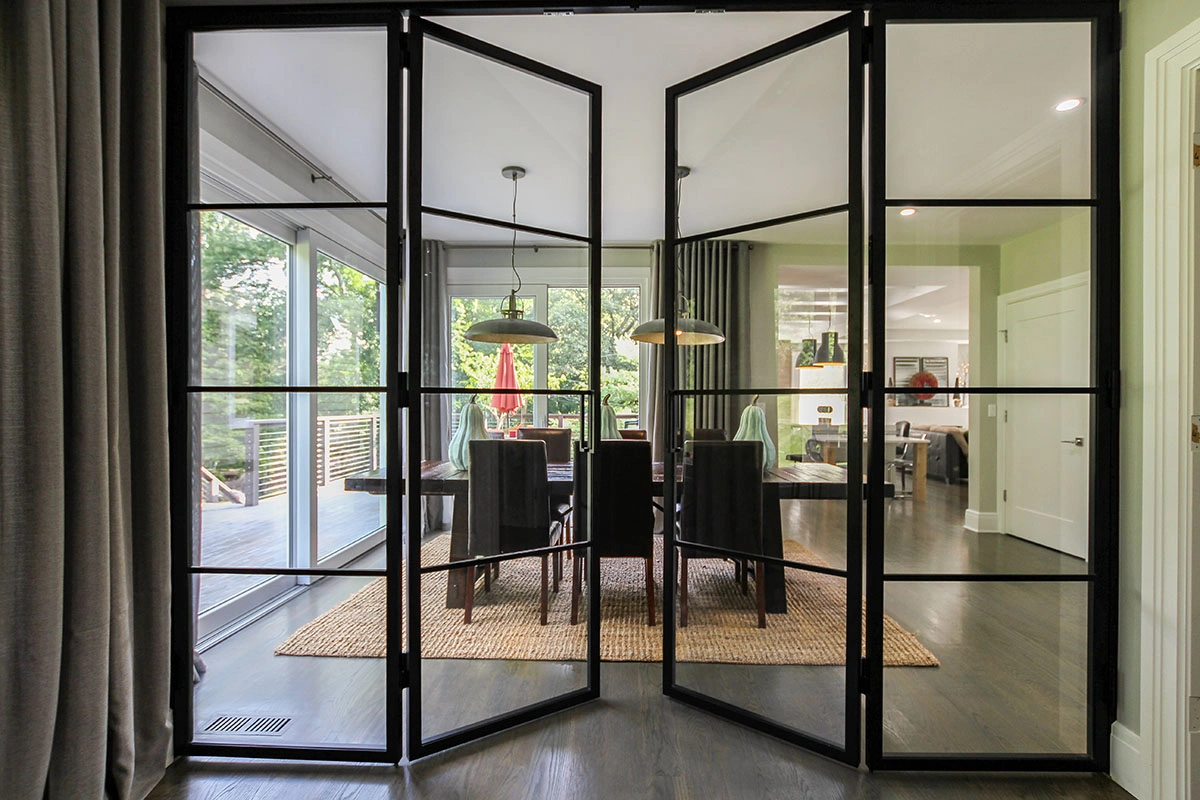
Have you ever realised how a door can be used to give your home a certain feel? It is one of the things we tend to neglect but that is when it is wrong. Internal doors are even larger contributors than the majority would expect them to be in terms of noise blocking or specifying room boundaries. They influence privacy, light, style and even room spaciousness.
This is a guide that is meant to make an otherwise daunting decision easier. When it comes to style, materials, finishes, and practicality, we will take you through it so that you can rest assured that you can select the doors that will meet your lifestyle and interior style. It does not matter whether you are redecorating one room or the whole house, but you should know how to choose the appropriate internal doors.
A carefully selected door does not simply shut a room; it makes it complete. We should deconstruct what you ought to know before such a decision.
Understanding the Purpose of Internal Doors
Internal doors in their essence determine the functionality of your home. They divide areas, control acoustics, enhance insulation and add visual continuity between rooms. It is not merely a matter of looks to pick the correct one, but the daily utilization of every room.
A good example is that bedrooms are advantaged with sound doors that ensure privacy and reduce noise. Residential areas, however, tend to be more suitable for glazed or light designs that can be free to the natural light. Internal doors should be selected taking into account the traffic, the number of times the door is used, and the room adjoinment.
Research indicates that considerate interior design features such as doors also have a significant effect on the perceived comfort and value of property. Proper matching of doors to the functions of the rooms guarantees durability and convenience in everyday living, particularly in a busy household.
Pro tip: It is always important to assess the use of the room first and then choose the type of door because form should be guided by function.
Having a clear purpose, internal door styles are the decision in the next place.
Exploring Internal Doors Styles and Materials
The number of interior door design options in the market today is so varied that you are sure to find a match to your decorations. Conventional houses tend to be inclined towards panelled designs, whereas modern interiors have adopted clean lines and less ornamentation in modern internal door designs.
The choice of the materials is equally important. Wooden internal doors are still popular due to their cozy feeling, their strength, and their classic look. Composite or MDF doors can also be used as alternatives, but they are more reasonable and predictable to be used in modern constructions and remodelling.
Once it comes to internal door materials, make a tradeoff between aesthetics and maintenance. Natural wood is also characterful and might need more maintenance, whereas engineered materials are stable and offer homogeneous finishes. A greater number of homeowners in the UK are looking at products that are better suited to climate and insulation requirements, particularly in the choice of internal doors UK-wide.
It is the substitution of style and materialism with the more practical.
Practical Factors When Choosing Doors for Home Interiors
In addition to appearance, functionality is what defines whether internal doors can be useful in your home or not. The size of doors, the direction of the swing, and hardware are all factors of usability. The problem with poor measurements can include problems when fitting, decreased accessibility, or clumsy room designs.
Clearance space and placement of furniture should be considered when choosing door types to use in the interior of the house. Compact rooms may be fitted with sliding/pocket doors and larger rooms with hinged doors. Fire resistance, soundproofing, and moisture resistance are also noteworthy, especially in the kitchens and the bathrooms.
The following are the main things to remember:
- Measuring openings should be done properly before buying.
- Thickness of match doors to match existing frames.
- Select wall colours and flooring complements.
- Make sure that the handles and hinges match the use requirements.
Now that we have these practical considerations out of the way, there is a need to move on to making the confident final choice.
Make the Right Choice with Confidence
Choosing the ideal internal doors does not have to be a complicated affair. Having proper priorities and knowledge, you will be able to make an improvement to the style and functionality in your house.
Key takeaways to remember:
- Match door type to room function.
- Aesthetics and sustainability.
- Select materials which are appropriate to your lifestyle.
- Measure plan fittings and plan.
Pro tip: You should always sample door samples in natural daylight before making up your mind, this will prevent the occurrence of some colour clash.
The right door will bring comfort, flow, and character to each room.
Conclusion
Picking the correct internal doors is not merely a matter of sealing spaces; rather, it is a matter of creating the feeling and the way your home works and feels on a daily basis. Since the requirements in layout are understood, the choice of the materials and finishes is up to the point of visual harmony. When the residents of the home take time to consider the usage, style tastes, and usefulness, the outcome is significantly improved.
Regarding the renovation of one room or the reconstruction of the whole house, the well-chosen internal doors also establish continuity and enhance everyday life. Considerable decisions decrease the maintenance in the future, as well as increasing the future value. Nothing is more important than quality materials and reliable guidance in changing interiors.
Wickes offers a variety of styles and investigates reliable solutions, where functionality collides with design in any home improvement project.
To gain more professional home inspiration, useful resources, and style information, go back to TheVougeclub and design your next upgrade with certainty.